
What Is a Digital Marketing?
A digital marketing involves assessing what specific goals can be achieved through the use of online channels. The successful implementation of a digital marketing strategy can be crucial to an organization’s success, particularly in an era when more and more consumers transact business on mobile devices.
Differentiating digital marketing and digital strategy is vital. Digital Marketing is a critical asset in reaching your objectives through your online presence. Electronic devices like cell phones or tablets keep us connected 24/7, and this kind of exposure casts the net wide open to find your buyer personas easily.
You’ll need an effective digital marketing strategy to reach your target audience and achieve your small or large benchmark goals. Your strategy is a tactic to create value and draw consumers in. Hitting these objectives means knowing what mediums your interested parties are on.
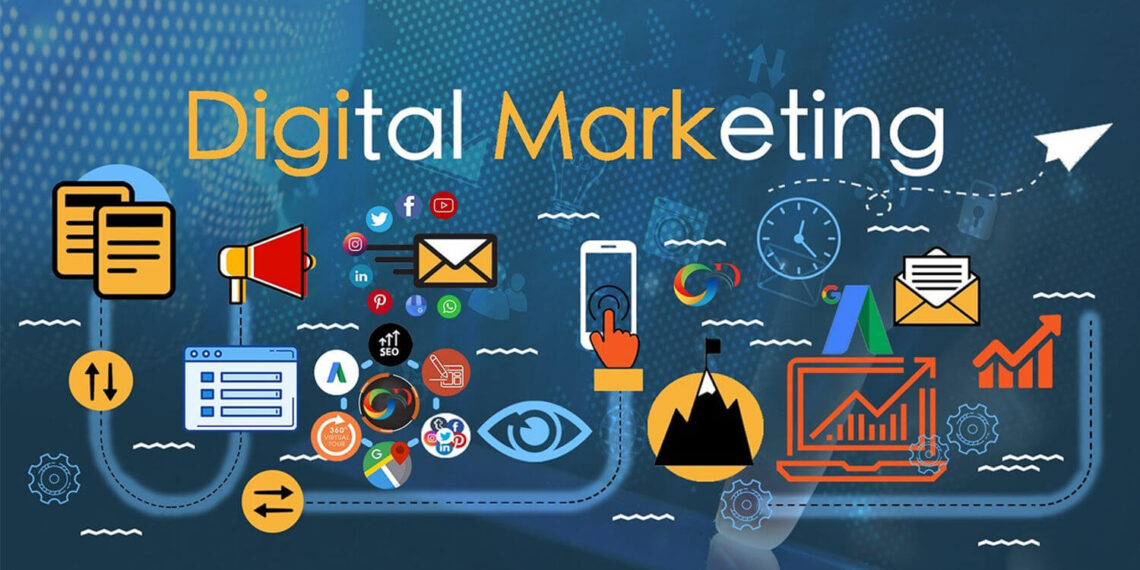
Why are Digital Marketing Projects Important?
Digital marketing projects hold significance because they align with the essence of digital marketing, which involves proficiently promoting advertisements across diverse online platforms such as search engines, websites, and social media. Engaging in these projects goes beyond merely assessing one’s strengths and weaknesses. It constitutes a hands-on journey that immerses individuals in real-world scenarios. This practical experience is crucial for gaining a deep understanding of and excelling in the ever-evolving realm of digital marketing.
Key Tools Required for Digital Marketing Projects
Let’s break down five crucial categories of tools that make up the core projects:
-
Social Media Platforms
Social media is a powerhouse in modern marketing, with platforms like Facebook, Instagram, and Snapchat serving as crucial hubs for engaging with your audience. Beyond the basics, specialized tools like Facebook Ads Manager let marketers run targeted ads and track their performance. Streamlining these efforts are social media management tools such as Buffer and Hootsuite, making it easy to schedule posts and understand engagement.
-
Design Tools
Visual appeal is everything in digital marketing; design tools act as the artist’s palette. Canva and Photoshop are standout tools, empowering marketers—regardless of their design skills—to add eye-catching images to their content. These tools are instrumental in creating attention-grabbing ads, social media posts, and blog content.
-
Analytics Tools
Analytics tools act as the GPS, guiding marketers through the digital landscape. From the comprehensive insights of Google Analytics to the detailed metrics from social media analytics tools like Facebook Insights and Twitter Analytics, these tools provide essential data for refining campaigns. Advanced tools like Periscope offer insights into user demographics, site searches, and conversion metrics.
-
Content Marketing Tools
Content is king, and tools like CoSchedule and Hubspot rule the realm of content marketing. These platforms help identify content opportunities and simplify the creation and curation process. By aiding in the crafting of engaging blog and social media posts, these tools ensure your content resonates with your target audience. Buffer’s added feature of monitoring social media conversations amplifies the impact, grabbing attention for specific events or news stories.
-
Email Marketing Tools
Email marketing remains a cornerstone strategy, and dedicated tools make the process smoother. Platforms like MailChimp and Iterable provide a solid foundation for building email lists and automating campaigns. Marketers can dig into detailed analytics for each email campaign, making testing and optimization a breeze. These tools are vital for creating compelling email campaigns encouraging user engagement, whether signing up for events or making product purchases.
Get a customized marketing strategies for your business by booking our FREE Marketing Consultation Call.